


By Vivianne Zhang Wei, Founder of Chinese Farm Chronicles and MSc candidate in Contemporary Chinese Studies at the University of Oxford, and Lizzi C. Lee, Fellow on Chinese Economy
The Narrative
Two seemingly conflicting narratives dominate discussions of rural China’s demographic future.
One holds that rural areas are bound to empty out under the force of urbanization. Stories of hollowed-out villages, ghost villages, and left-behind elderly populations create the impression that the land is being permanently and inevitably abandoned.
The other suggests that the trend is reversing, as young people flock back to revitalize their rural hometowns. This more recent narrative highlights how an emerging generation of modern, tech-savvy new farmers are now returning and injecting “new vitality” into rural areas. Largely a state-led one, this narrative conveys a sense that technological development and policy support has created an abundance of attractive livelihood opportunities in the countryside.
The Reality Check
Both narratives are rooted in real trends, but each capture only part of the full picture.
1. China has undergone a historic rate and scale of urbanization over the past four decades, but interpreting its population movement as a simple one-way exodus from the countryside obscures the far more complex dynamics at work.
Large-scale rural-to-urban labor migration in China first took off in the 1980s, as market reforms released peasants from the collective farming system, while simultaneously generating enormous demand for low-cost labor in coastal factories. Ever since, sustained export-led industrialization, along with rapid infrastructure and real estate development, has continued to draw successive waves of villagers into urban wage employment. As of 2025, there were nearly 300 million rural migrant workers in China, together accounting for roughly 41% of the national workforce.
In mainstream migration theory, migration is often understood as a permanent change in residence. However, villagers in China who migrate to the city for work are far from guaranteed to become fully settled urban residents. Officially designated as nongmingong (农民工) — literally “peasant workers” — rural migrant workers in China, by definition, remain tied to their rural places of origin even as they live and work in the city.
The migration trajectory most commonly described to me by middle-aged and older migrants is to return home at least once a year for the Spring Festival, intermittently in times of crises and need — such as illness, unemployment, family emergencies, or busy farming seasons — and ultimately for good, once one ages out of the urban job market. Younger generations of migrants today, who on average have higher levels of education and greater aspirations for an urban lifestyle, are generally less attached to their rural homes, but many of them continue to face significant barriers to settling in the city.
In the literature on China’s rural-urban inequalities, such barriers are primarily attributed to the household registration (hukou) system. China’s 67% urbanization rate reflects the urban population based on place of actual residence, but under the hukou system, the rural migrant workers who make up a third of it still remain legally registered as rural residents. This means they get to live and work in the city, but with limited access to certain welfare provisions reserved for local hukou-holders — such as urban pension schemes and, most importantly for many families, public education for their children.
Although hukou-based restrictions have eased considerably over time — with many cities both expanding welfare access for non-local residents and lowering thresholds for local hukou conversion — these reforms have been concentrated primarily in small and medium-sized cities, rather than in the major metropolitan centers to which migrants most aspire. At the same time, rural migrant workers continue to experience precarity and uncertainty in the city despite these policy adjustments. This suggests that their vulnerability stems not only from formal hukou-based exclusion, but also from deeper structural inequalities.
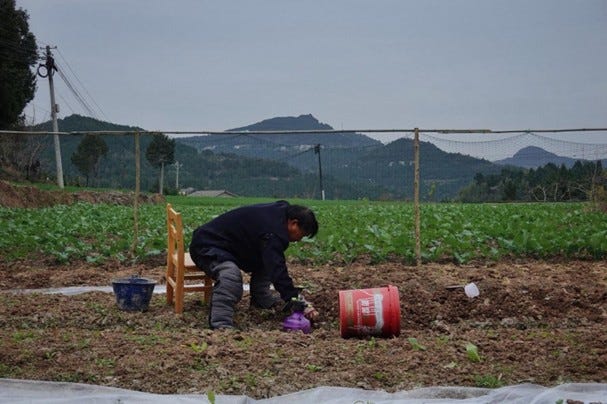
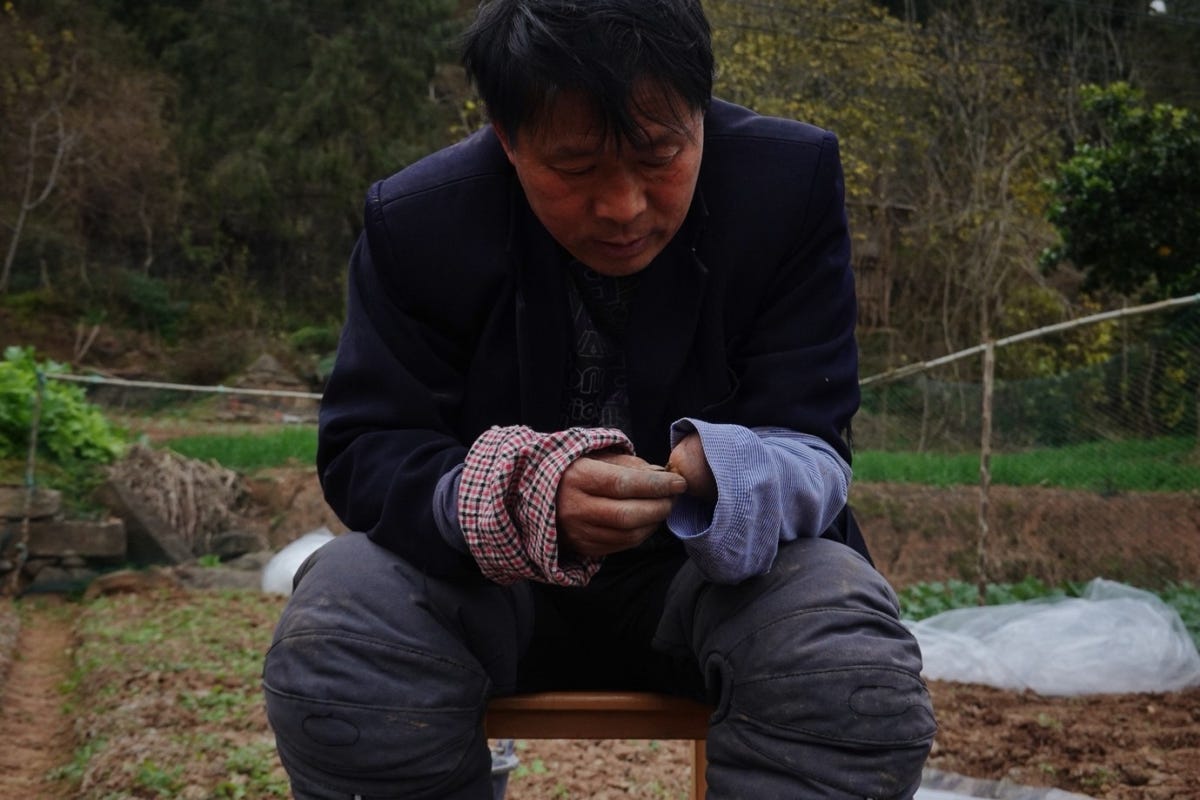
Returned migrant workers I recently spoke to in rural Sichuan consistently emphasized that finding work in cities has become markedly more difficult over the past two to three years. This has in part to do with the general economic slowdown, but another key factor has been the prolonged downturn in China’s real estate sector, which has led to drastic reductions in demand for construction labor. If this trend continues, some of them tell me, more and more migrants may have little choice but to return home.
This insight is crucial for understanding not only the migration trajectories of China’s rural population but also the logic shaping their responses to state interventions — such as the limited uptake of urban hukou conversion opportunities, or recent years’ surging resistance to rural land expropriation. Evidently, rural migrant workers are not just passively shuffled back and forth by policy incentives, but strategic actors who may consciously choose to sustain a “floating” state to hedge against economic uncertainty. So long as large segments of China’s migrant workforce remain reliant on such risk-management strategies, the country’s headline urbanization rate cannot be taken as evidence of fully realized urban integration.
2. While new livelihood opportunities are indeed emerging in rural areas as potential alternatives to precarious migrant work, these remain unevenly distributed.
Since the launch of the Rural Revitalization Strategy in 2017, Beijing has elevated rural development and agricultural modernization to core national priorities. A key pillar of this vision is ‘talent revitalization’: attracting human capital back to the countryside and incentivizing them to contribute to the development of their hometowns and villages. This has put return-migration at the center of rural development discourse.
But like the rural population more broadly, “return-migrants” in China are not one homogenous group. Their positions in society, hence conditions of return, differ vastly depending on, for example, class, region, sector, gender, and education-level. To understand how exactly migration patterns are changing, we need to look more closely at who exactly is going where.
A keyword for understanding these nuances is fanxiang (返乡), which is usually translated into “returning to the countryside” in English. The State Council’s No. 1 Central Document in 2008 was the first policy document to describe returning migrant workers as fanxiang nongmin 返乡农民, “returning-to-the-countryside-peasants”. Since then, the term has become ubiquitous in official rural development discourse.
This shift in language is significant in ways that the English translation is unable to capture. Firstly, fanxiang is sentimental: xiang (乡) in Chinese means both “home” and “countryside,” imbuing it with a sense of rural hometown nostalgia. It is also moral: fan (返) implies a much stronger sense of purpose and mission than the neutral verb for “to return,” hui (回).
Along with its use in the contexts of fanxiang chuangye (返乡创业), “returning to the countryside to start a business” and fanxiang qingnian (返乡青年), “returning-to-the-countryside-youth”, fanxiang has come to connote a very specific notion of not just returning to one’s rural home, but returning with skills, capital and entrepreneurial, patriotic ambitions.
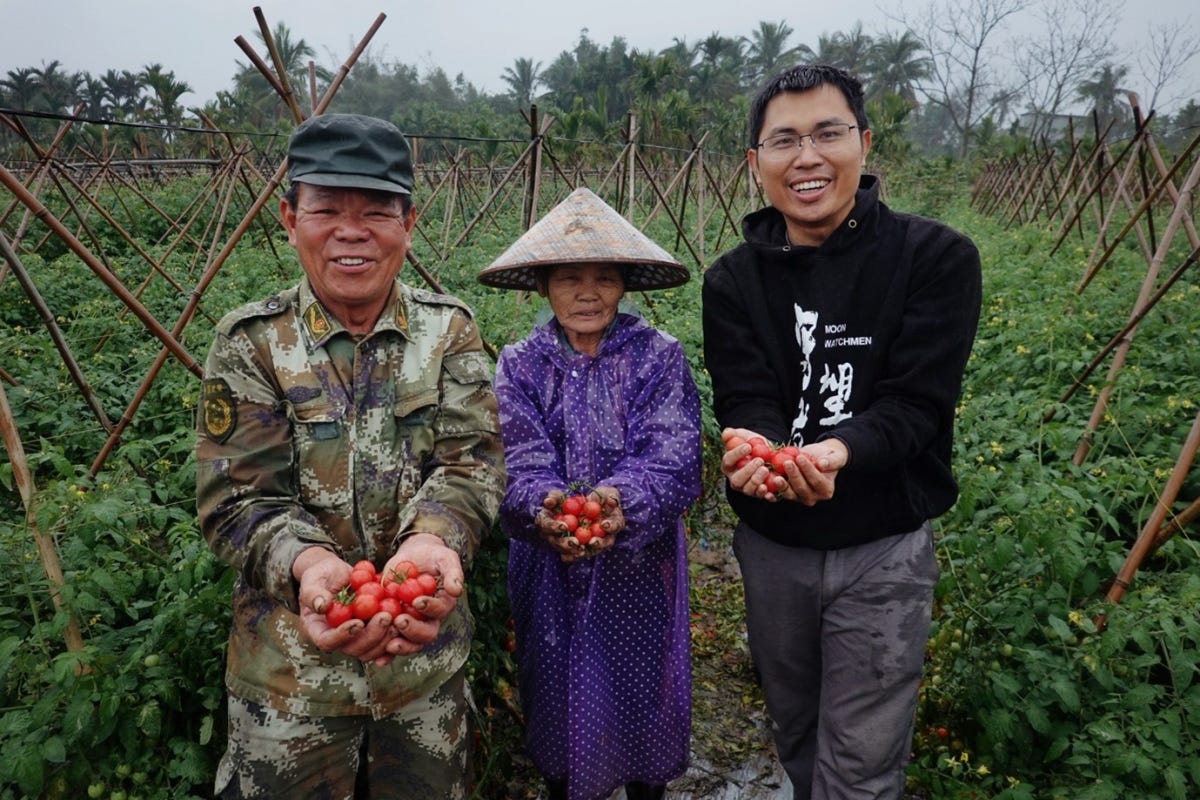
In my experience, individuals who describe their own return-trajectories as fanxiang are typically college-educated or white-collar migrants who first settled in the city, and then made an active, voluntary decision to return. While such individuals do constitute a genuine and growing trend, they represent a much smaller share of the broader return-migration flow than official discourse may make it seem.
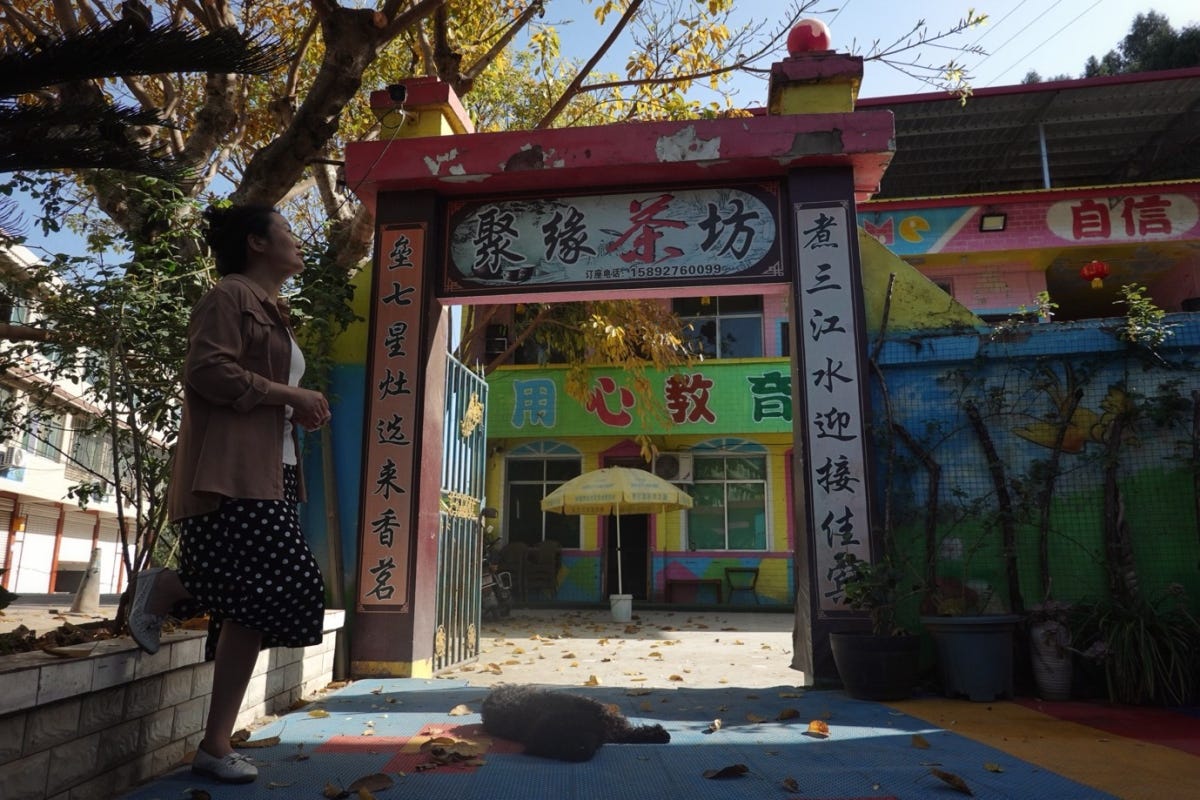
Here, regional differences are important to recognize. Many of the highly publicized fanxiang stories are concentrated in more developed eastern provinces. With stronger market infrastructure, and typically greater fiscal resources and local governance capacity, these regions tend to score better across multiple dimensions of rural revitalization. Meanwhile, in China’s major migrant-sending central and western regions, like parts of Sichuan where I have conducted most of my research, return continues to be largely driven by constraints such as injuries, health conditions, and caregiving obligations rather than opportunity.
In this context, people rarely speak of their return-trajectories as fanxiang. Instead, my interlocutors would either simply describe it as a neutral “having coming back” (回来了) or, if they considered their return only temporary, “not having gone out this year” (今年没有出去).
These may seem like minor semantic differences, but the language people use to describe their mobility tells us a great deal about how they understand their own positions in society and life.
Only if you were able to fully leave the countryside and fully enter the city in the first place, does it make sense to speak of fanxiang. Such absolute terms will not resonate with the vast majority of migrant workers, who are still pursuing deeply precarious livelihoods as they float between the countryside and city — continuously in a state of either going out, but likely returning soon, or being back, but probably going out again.
This kind of stratification within the rural migrant population is crucial to keep in mind when interpreting official narratives and statistics. For example, official sources last year suggested more than 12 million people nationwide had fanxiang chuangye, “returned to their rural hometowns to start businesses.” The specific inclusion criteria are not disclosed, but this figure likely encompasses a broad range of individuals, including those whose conditions for return differ sharply from the idealized return-migration journey brought to mind by the term fanxiang.
Why This Matters
Perceptions of who is leaving and who is returning to the countryside matter as they directly shape our ideas of what rural development policies should look like, and whose needs they are meant to serve.
Since the launch of the Rural Revitalization Strategy in 2017, Beijing has elevated rural development and agricultural modernization to the level of core national priorities. Behind this agenda lie two closely connected yet distinct drivers.
One is to improve the lives and long-term prospects of rural residents. Addressing persistent urban–rural inequalities and delivering its promise of ‘common prosperity’ is not merely a social goal for the CCP, but increasingly also a matter of political legitimacy.
However, a second and at least equally powerful driver is the strategic imperative to safeguard national food security. China faces a significant, long-term challenge in feeding nearly one-fifth of the world’s population with only one tenth of its arable land. Amid intensifying geopolitical tensions, Beijing has strengthened its resolve to hold the Chinese rice bowl firmly in its own hands.
Hence, as successive No. 1 Central Documents have emphasized, the defining challenge of China’s agrarian future is the question of “Who will till the land?” (谁来种地?). Hayward (2017) observes that this debate has been broadly divided between those who advocate a path of agro-industrialization — the consolidation of agricultural land and production by large-scale agribusinesses — and those cautioning against it. Each side grounds its arguments in different interpretations of rural demographic change.
The two dominant narratives discussed in the previous section can easily be mobilized to legitimize the agro-industrialization path: if traditional peasants are abandoning their land anyway, and modern agricultural professionals are taking their place, the transition toward large-scale, industrial agriculture appears natural and inevitable. This interpretation long resonated with Anglo-American observers, as it mirrors the European trajectory of agricultural modernization.
However, it has become increasingly clear that present-day China’s conditions are fundamentally different from those of nineteenth century Europe. Those who caution against embracing the Western development path point toward Chinese peasants’ continued reliance on their land under the country’s unique hukou and land ownership systems. While they have indeed become widely absent from it, scholars emphasize how the entry of urban capital into agriculture has also contributed to driving them out of farming and into urban wage labor in the first place.
A common misconception is that the Chinese state firmly and uniformly backs the former path. However, as Hayward (2017) observes, debate about China’s agrarian future is rife even at the highest levels of policymaking: “Of all the scholars and local officials I interviewed in preparation for this article, none agreed that large-scale agribusiness was considered by the central government to be the driving force of agricultural modernization.”
Indeed, the growing emphasis on “the comprehensive revitalization of rural areas” in policy documents shows that the Party’s rural development approach — though still fundamentally technocratic — increasingly articulates a more pluralistic vision of “agricultural modernization” than simply the wholesale replacement of peasants by big capital.
For example, in the fifth section of the recently released No. 1 Central Document of 2026 titled “Strengthen institutional and mechanism innovation,” it stresses the need to “promote the organic integration of smallholder farmers and modern agricultural development.”
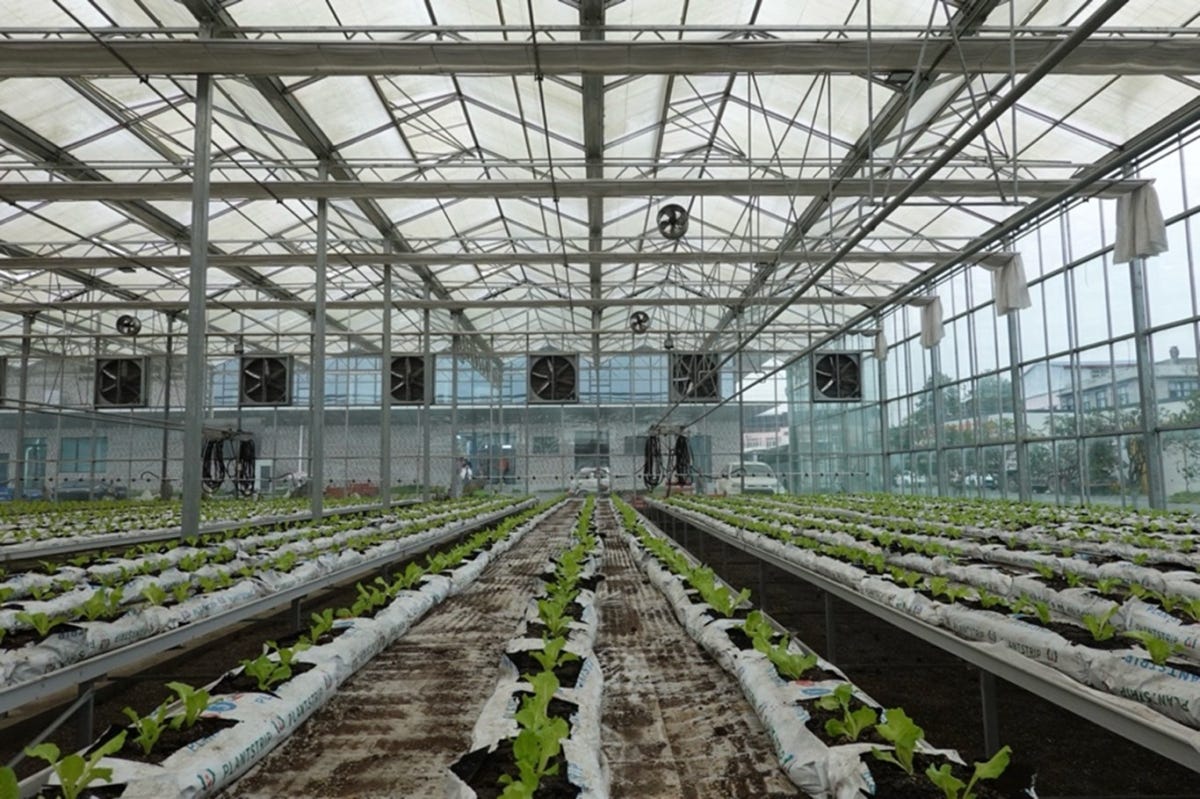
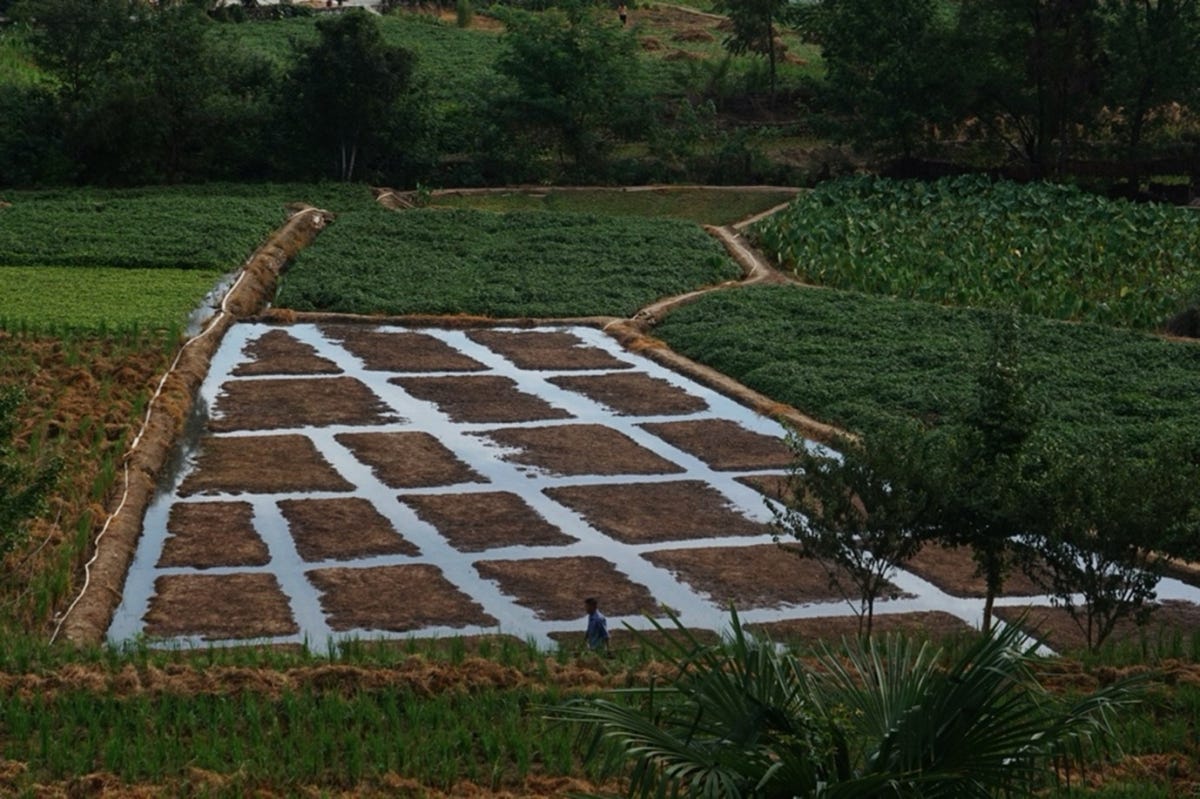
Accordingly, the government continues to express support for alternative forms of agricultural organization, such as family farms, farmers’ cooperatives, new rural collective economies (新型农村集体经济), and what it calls “appropriately scaled agricultural operations” (农业适度规模经营). These paths, too, are promoted as a part of the official agricultural modernization vision — including through fanxiang stories which foreground returnees who pursue them.
Between the Lines
The tensions between different conflicting narratives of demographic change in rural China reflects broader tensions in the debate over China’s rural and agricultural development trajectory. Under the current Rural Revitalization paradigm, this tension seems to arise mainly from the need to balance the strategy’s two core objectives: boosting productivity to safeguard national food security, and boosting farmers’ incomes to achieve common prosperity. While many dimensions of the strategy indeed do kill both of these birds with one stone, a closer examination from on the ground reveals that the targets do not always align.
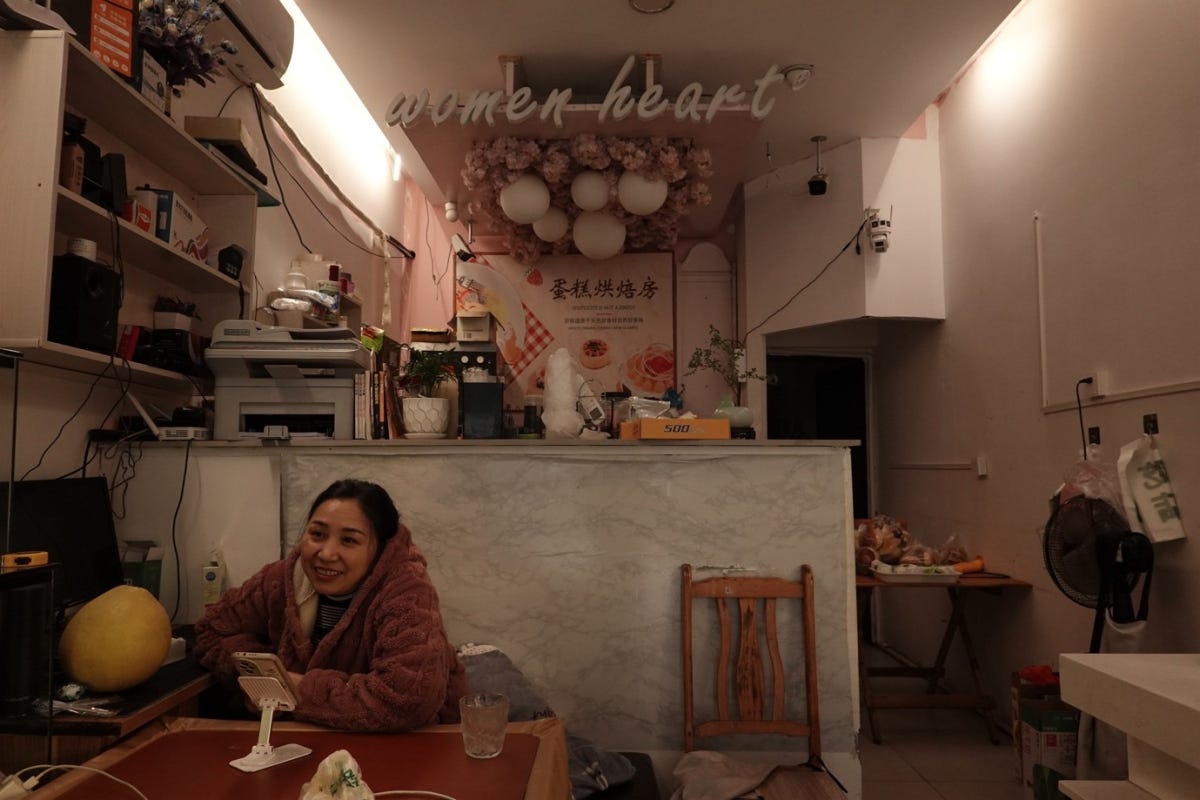
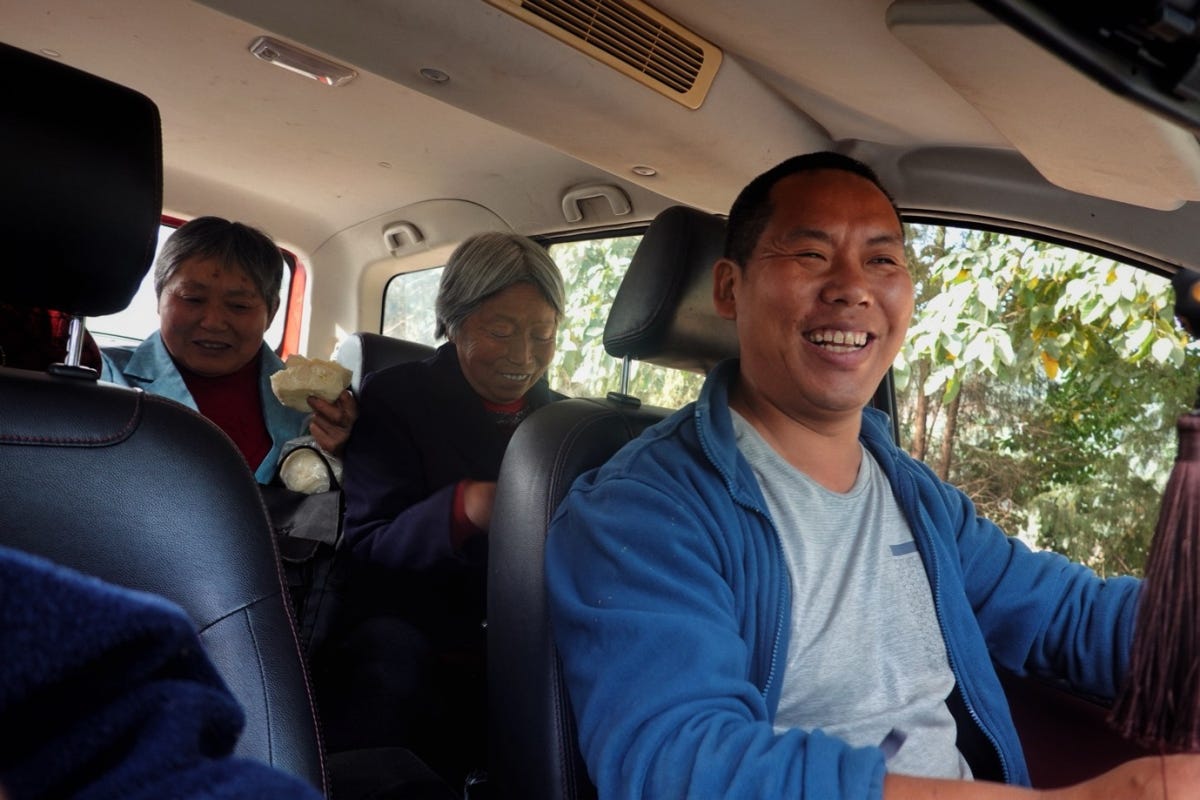
For example, none of returned migrant workers I spoke to in rural Sichuan mentioned “rural revitalization” unprompted, and when asked, they largely spoke of such policies as irrelevant to ordinary peasants like themselves. As one villager put it to me: “Rural Revitalization is just a few people getting rich.”
This suggests that Rural Revitalization policies are still perceived to favor scales and forms of production out of reach for much of the rural population. The risk, then, is that only the few returnees and local elites who have the skills, capital, and conditions to take these entrepreneurial risks disproportionately benefit. This would leave the rest in a seemingly more precarious position than ever — faced with a declining urban labor market on the one hand, and increasingly stratified countryside on the other.
The Bottom Line
China’s countryside is neither disappearing nor being evenly revitalized by waves of modern farmers. Simplified narratives that either mischaracterize the rural population’s cyclical labor mobility as a permanent exodus, or exaggerate their livelihood prospects at home, risk creating inflated expectations about what certain visions for agricultural modernization can realistically deliver for the many ordinary farmers who still depend on their land. However, contrary to common misconception, the government is not blind to these tensions. Reaffirming Beijing’s commitment to continue promoting both national food security and farmers’ prosperity, this year’s No. 1 Central Document shows acute awareness of the challenge ahead: to find a balance that ensures the Chinese rice bowl is at once held firmly, and in hands of the many.
Great article, I really enjoyed it! I’d also be interested in understanding how these trends compare with rural areas known as overseas Chinese “hometowns” (侨乡).
Some patterns seem to overlap while others diverge, probably because of factors like local rural development depending on diaspora remittances and investment. In many cases, there’s been a trend among former overseas Chinese to go back to their hometowns as “returnee migrants.”